I spent a lot of years building businesses around what I was good at.
And for a while, that worked really well.
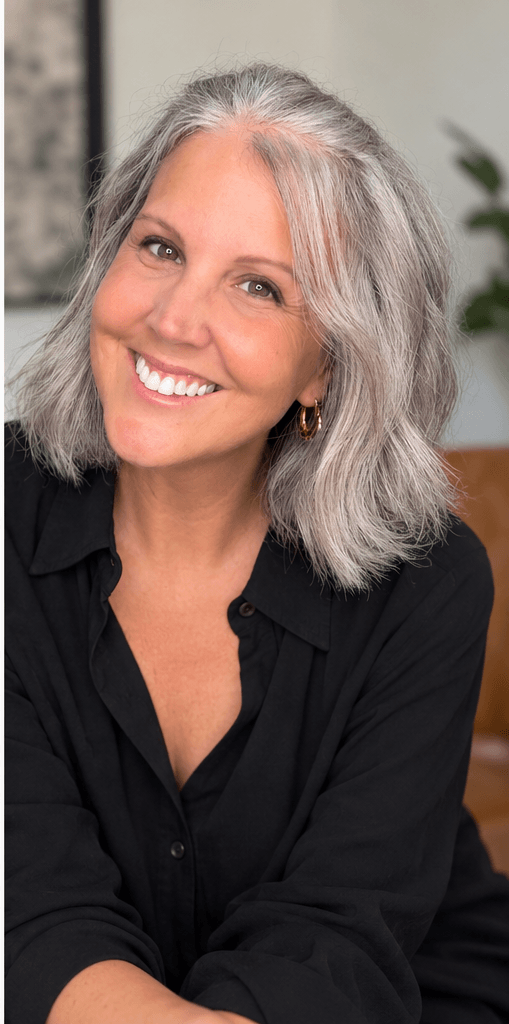
Hi, I'm Jessica.
I've been an entrepreneur for most of my adult life.
For more than 20 years, I've built businesses, marketed them, taught other entrepreneurs how to grow theirs, and spent an absolutely ridiculous amount of time thinking about why people buy things.
I love marketing.
The psychology. The numbers. The messaging. The weird little things people do before deciding to spend their money.
And I'm really good at looking at a business and figuring out why something isn't working.
But somewhere along the way, I started noticing something that bothered me.
We teach entrepreneurs how to build successful businesses without spending nearly enough time considering the people who have to run them.
I didn't always think this way.
For years, I taught practical marketing strategy.
Find your niche. Clarify your offer. Create the content. Build the funnel. Get more clients.
And a lot of it worked.
But I kept watching smart, capable entrepreneurs struggle with strategies that seemed to work beautifully for other people.
They'd follow the instructions.
Do the things.
And then wonder what the hell was wrong with them when it didn't work.
Sometimes their marketing genuinely needed fixing.
But sometimes they were trying to build a business around a personality, schedule, selling style, or way of working that didn't suit them at all.
And I started wondering why nobody was talking about that part.
Then I discovered Human Design.
And before you roll your eyes, hear me out.
I didn't suddenly forget everything I knew about marketing.
I didn't stop believing in strategy, conversion rates, or the importance of having an offer people actually want.
Human Design gave me a different way to explore something I'd been thinking about for years:
What if we stopped treating every entrepreneur like they're the same person?
I started incorporating Human Design into my work with business owners.
Not as a magic formula for making money.
Not because a chart can tell you exactly which funnel to build or how many times to post on Instagram.
I used it as a framework for exploring how someone makes decisions, communicates, approaches visibility, and experiences their work.
And something interesting started happening.
People began recognizing things about themselves they'd never really considered in relation to their businesses.
We could take those insights and have much more useful conversations about their marketing, their offers, and the businesses they were trying to build.
That's the part I fell in love with.
Taking something deeply personal and figuring out what it might mean in practical business terms.
And then life had other plans for me.
In 2024, I was in the middle of changing the direction of my business.
I'd spent years teaching marketing, and I knew I wanted to do something different.
Something more personal, more strategic, and certaintly more interesting to me.
I was burned out, so I closed my business and decided to take three months off before starting fresh.
Then I was diagnosed with breast cancer.
And three months turned into two years.
There were surgeries, treatments, and a whole lot of life happening that had absolutely nothing to do with marketing.
For the first time in a very long time, building a business wasn't the center of my world, and when I finally felt ready to work again, I still loved everything I'd always loved about business.
But I had a much clearer understanding of what I didn't want.
I didn't want to build another business I'd eventually need to recover from, and I didn't want to help other people do that, either.
Here's what I believe now.
A business has two jobs.
It has to work commercially.
People need to want what you're selling.
Your marketing needs to reach them.
Your offers need to make sense.
Your business needs to generate revenue.
And it has to work for the person running it.
The way you attract clients, make decisions, deliver your work, and spend your days has to be something you can actually sustain.
You can't ignore either side.
Understanding your Human Design won't fix an offer nobody wants, and having a profitable business doesn't automatically mean you've built one you enjoy running.
That's why I bring Human Design and business strategy together.
I still ask a lot of questions.
When someone tells me they need more clients, I want to know why they aren't getting them now.
Is there enough demand?
Does their messaging make sense?
Are people interested but not buying?
Is their offer the problem?
But I also want to know:
Why are you marketing that way?
Do you actually like the business you've built?
Are you doing things because they work, or because somebody convinced you that's what successful entrepreneurs do?
What have you learned about yourself that you've been completely ignoring?
And what would your business look like if we stopped assuming you needed to operate like everyone else?
Those are the conversations I love having.
So that's what I do now.
I work with established entrepreneurs who know something in their business isn't working but can't quite figure out what.
Through my private Evolve Intensive, we explore your Human Design, examine what's actually happening in your business, and develop a strategy that addresses both.
It's part self-discovery.
Part business diagnosis.
Part practical strategy.
And a whole lot of asking questions you probably haven't been asked before.
I'm not here to tell you that everything you've been doing is wrong, but instead I'm here to help you figure out what's worth keeping, what needs to change, and what might work better for you.
Because your business needs a strategy that works, but also one you can actually live with.